We build user confidence through intuitive interfaces
We empower forward-thinking companies with cutting-edge web and app development that blends strategy, creativity, and analytics to deliver customer-centered digital solutions.
We have create & amply world’s most talked-about brand + experiences
We empower forward-thinking companies with cutting-edge web and app development that blends strategy, creativity, and analytics to deliver customer-centered digital solutions.
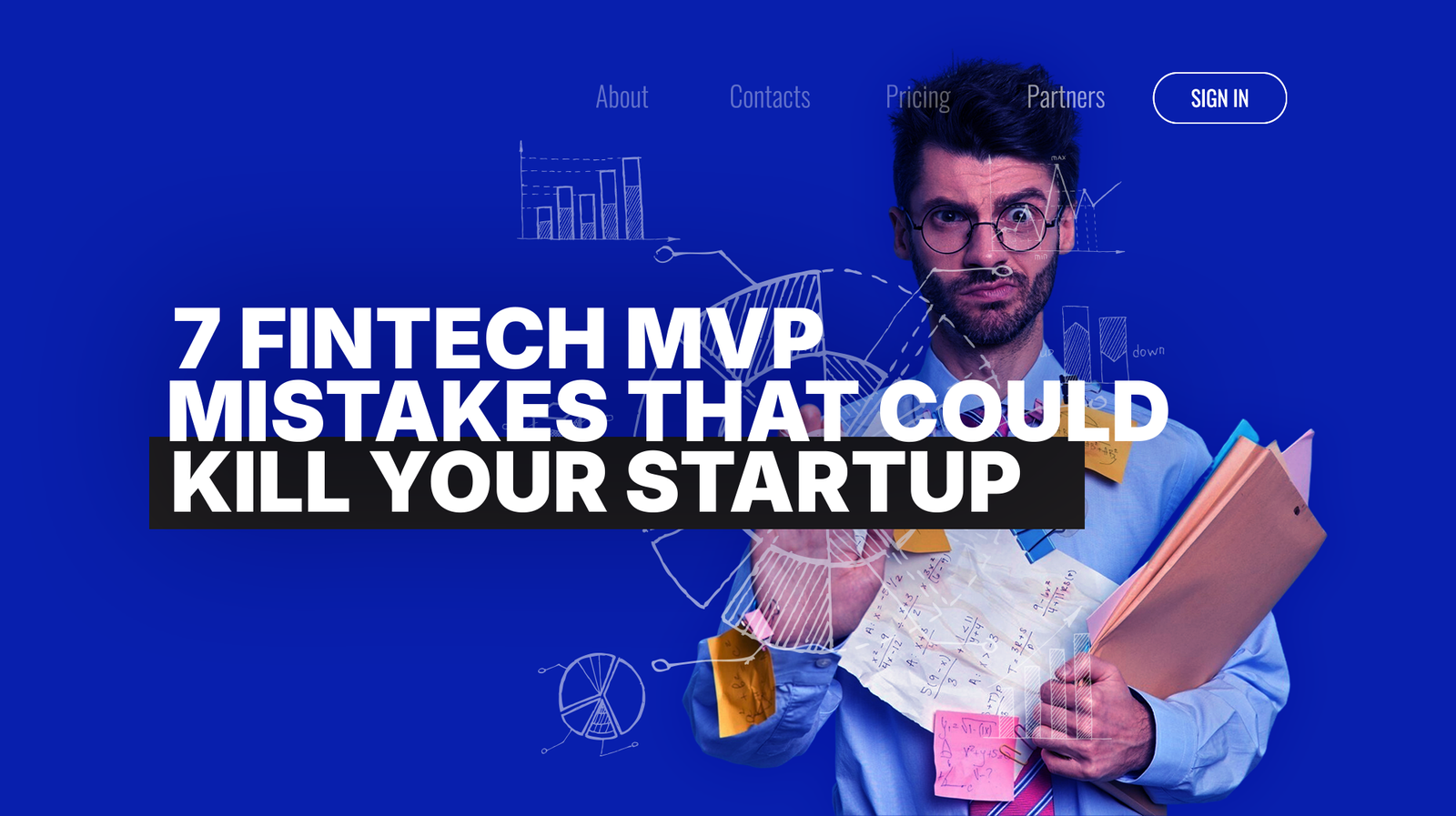
7 Fintech MVP Mistakes That Could Kill Your Startup
The fintech landscape is evolving faster than ever. By 2026, the UK fintech sector will have shifted from modular apps to autonomous, intelligent ecosystems. For founders, building a Minimum Viable Product (MVP) is no longer just about functionality; it’s about resilience, compliance, and future-rea
Nims K
Research Writer & Content Strategist
share
The fintech landscape is evolving faster than ever. By 2026, the UK fintech sector will have shifted from modular apps to autonomous, intelligent ecosystems. For founders, building a Minimum Viable Product (MVP) is no longer just about functionality; it’s about resilience, compliance, and future-readiness.
Here’s where most fintech startups go wrong, and how you can avoid fatal missteps.
Ignoring the Rise of Agentic AI
Many fintech MVPs are still designed around reactive AI, which only assists users. In 2026, agentic systems execute workflows autonomously, making decisions without human input.
Treating your MVP like a “click-and-tap” app instead of a self-driving finance platform. Your product may fail to compete in a world expecting intelligent, proactive user experiences.
Overlooking Regulatory Super-Cycle Requirements
Regulation is no longer a checkbox; it’s embedded in product design. EU AI Act enforcement, PSD3 & PSR1 APIs, and ISO 20022 messaging standards are now mandatory for MVPs.
The mistake is building without compliance-by-design principles. It risks launch delays, fines, or complete product rejection.
Skipping Cognitive Audits
Data pipelines are the backbone of intelligent MVPs. Without validating AI-readiness, your product cannot deliver predictive financial actions.
Jumping straight into development without a thorough data audit is a drawback. AI features underperform, leading to user frustration and lost trust.
Sacrificing Performance for Aesthetics
A visually appealing interface is crucial, but speed and consistency across devices matter even more. Using Flutter’s Impeller engine or React Native’s Fabric architecture ensures seamless performance.
Prioritizing flashy UI over functional reliability can slow load times, lead to buggy interfaces, and frustrate users.
Relying on Traditional Handoff Methods
Many startups still follow the old designer-to-developer handoff process, creating bottlenecks. No-Handoff Methodologies using AI-powered visual development can cut delivery time by over 90%.
Accepting delayed timelines and misaligned assets. Launch deadlines slip, and the MVP loses market relevance.
Neglecting Fractional Leadership Expertise
Building a 2026-ready MVP requires cross-disciplinary leadership, from UI/UX and branding to strategic growth.
Using “factory” agencies without institutional knowledge of complex fintech systems is a complete disadvantage. Decisions lack foresight, resulting in a product that cannot scale or adapt.
Treating Your MVP as a Static Tool
The future MVP isn’t a static app; it’s part of an autonomous financial ecosystem. Products must interpret complex datasets, trigger actions, and maintain transparency.
Launching a basic, reactive MVP without ecosystem thinking risks startups that are becoming irrelevant before fully entering the market.
Avoiding the Pitfalls: Your Roadmap to Success
The fintech startups that thrive in 2026 are those that combine intelligent design, compliance, and strategic foresight. From cognitive audits to performance optimization, every element of your MVP must be engineered for autonomous finance.
Prox Agebcy guides fintech founders through this evolution, transforming static ideas into trustworthy, scalable ecosystems ready for a $1.38 trillion market by 2034.
Don’t let your fintech MVP fail. Secure your startup’s future with expert guidance today. Contact The Prox Design Agency now and build a product ready for 2026 and beyond.
Follow Us
Subscription Subscribe to our newsletter and receive a selection of cool articles every weeks